Attention Has Lost Its Charisma
We still refer to the institutions where we studied as our Alma Mater — a Latin expression meaning “nourishing mother.” The phrase evokes an idea of education and research grounded not only in the transmission of knowledge, but in sustained attention: attention to texts, to ideas, and to one another.
The conditions under which such attention is possible, however, have changed considerably in the last two decades. Academic life now unfolds in an environment of constant connectivity, competing demands, and permanent visibility. In-person meetings take place with its attendees heads’ buried in screens, gathering at conferences coexist with endless notifications, and even moments of intellectual exchange are increasingly shaped by the pressure to narrate one’s productivity, demonstrate responsiveness, and be present in multiple spaces, most of them digital, at once.
In this context, the difficulty we encounter is not simply distraction. It is a gradual loss of intellectual presence. Conversations become thinner, public speaking has become outright boring, and the shared spaces of higher education risk turning into places where attention is divided before it is even given.
This talk explores what it means to teach, to research, and to speak at a time when attention has become both scarce and contested. Rather than asking how we can eliminate distraction, it asks a more fundamental question: what kind of academic posture is required if our institutions are to remain places that truly nourish?
Bio:
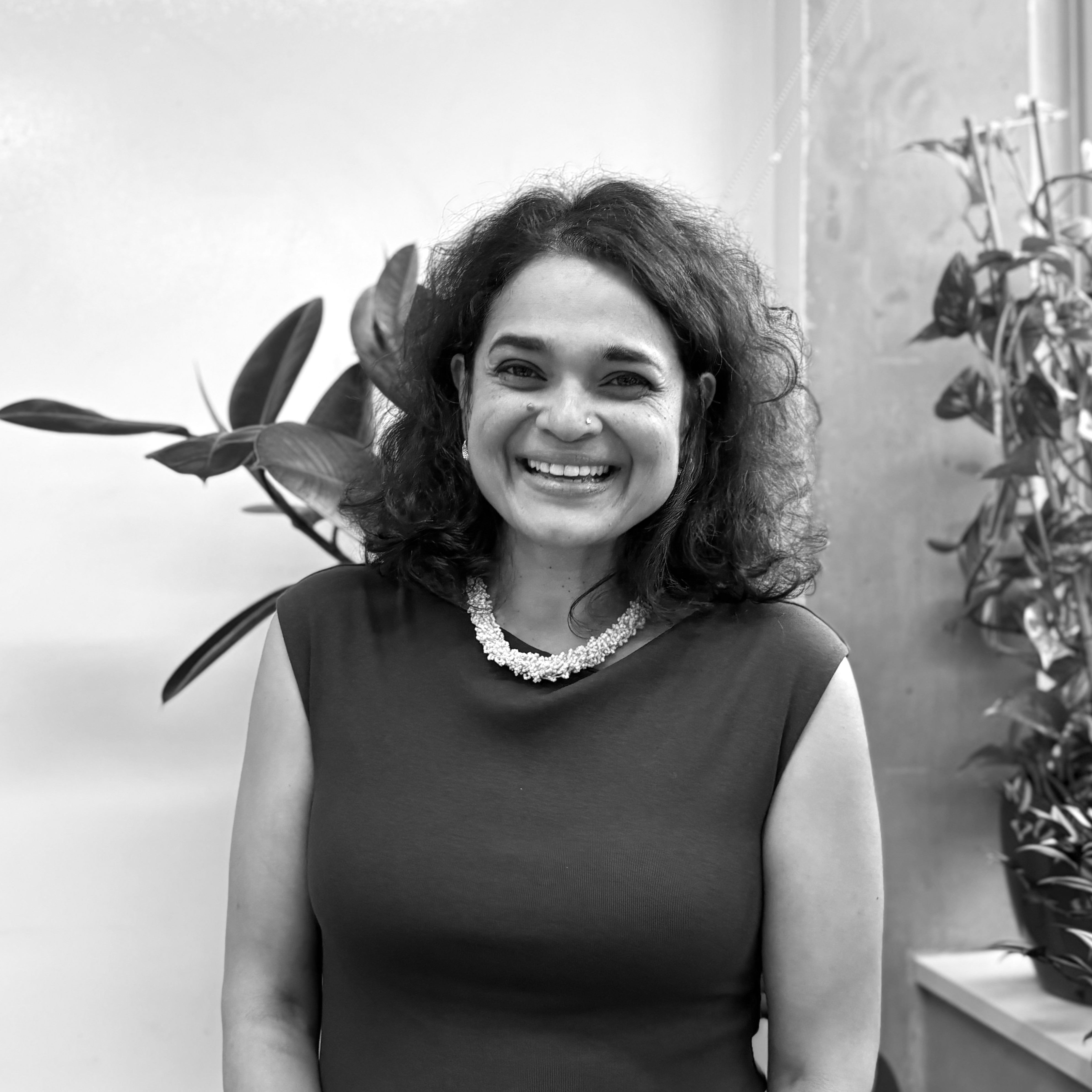
Divya Madhavan is Director of the Department of Languages and Cultures at CentraleSupélec, a leading French Grande École in engineering and science. She has worked across multiple areas of higher education for over twenty-five years, with experience ranging from language teaching and curriculum design to academic leadership, faculty development, and institutional language policy.
She teaches English and coaches student debate teams for inter-university competitions. She is also the founder of the Academic Writing Center at Université Paris-Saclay, which provides communication training and publication support to one of France’s largest research communities.
A graduate of the Universities of Warwick, London, and Exeter, she is a Fellow of the Royal Society of Arts. Her work focuses on the conditions that make teaching and learning intellectually meaningful, with particular attention to student and teacher well being as well as the role of attention in higher education. In recent years, her focus has been how the digital environment reshapes the way we think, speak, and interact, and how more deliberate, more “analog” forms of presence may help restore depth, creativity, and enjoyment in contemporary academic life.